The efficient and effective development and allocation of an organisation's resources.
Resources refer to the available people, finances, materials and equipment, In project management, resources are typically finite and as a result when and how they are utilised needs to be managed through a resource allocation plan. The management of all resources throughout the life-cycle of the project cannot be determined at the outset due to unknowns. As a result resource management and planning is a continuous process throughout the course of the project. Project managers need to effectively communicate the changes in available resources throughout the project to all members of the project team.
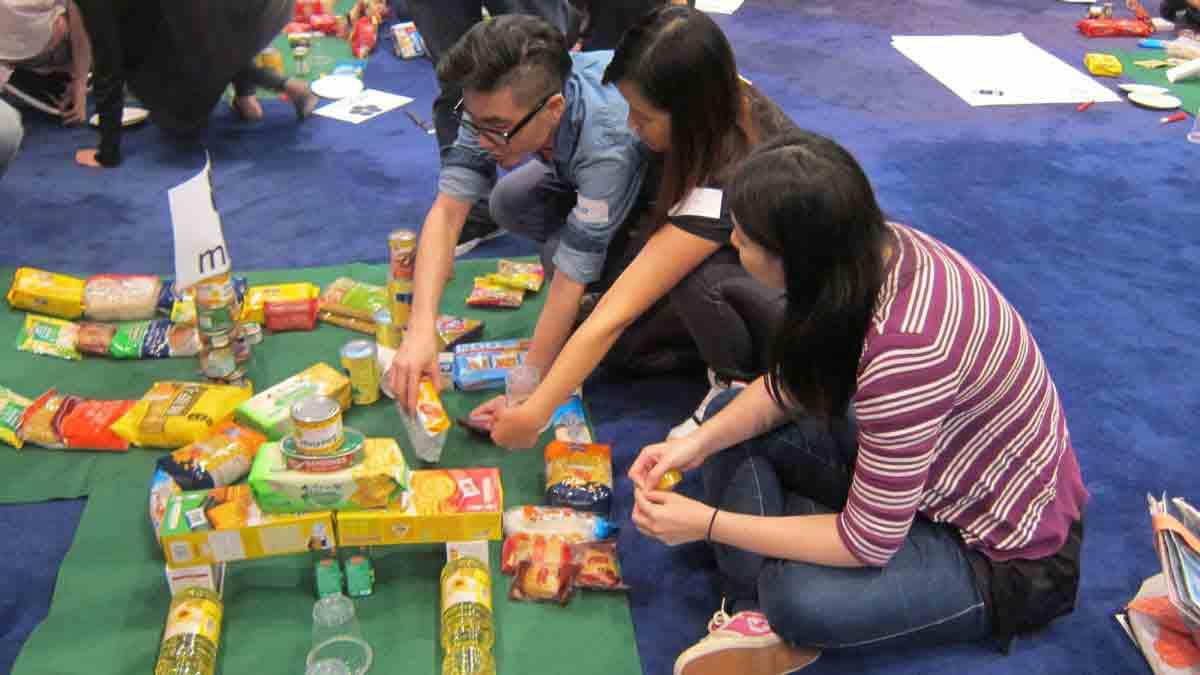
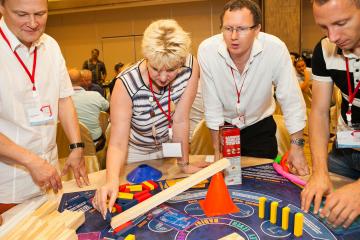
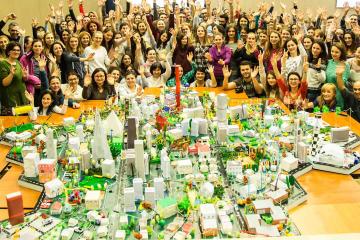
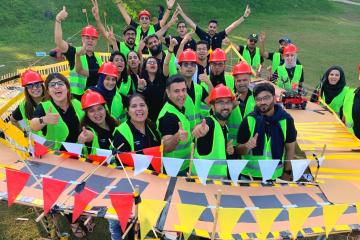
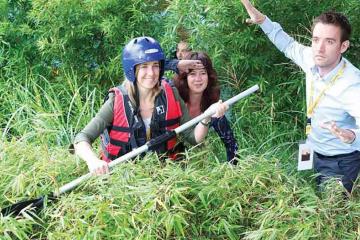
Team building games are a great way of simulating a project in a fun and engaging way. Participants learn the strengths and weaknesses of others. In a few hours they come to understand how finite resources are and how they must be managed effectively in order to succeed.
Look at this selection of related popular programs. Need help in deciding? Looking for something else?