A powerful business skill needed to create beneficial win win outcomes.
Since negotiation is simply discussion aimed at reaching an agreement it is something we do all the time. Some of the most talented negotiators are our children. Any interaction with another person is a potential negotiation. In distributive negotiation any gain one party makes is at the expense of the other and vice versa. Its a zero sum game. Whereas in integrative negotiation tries to generate additional value through the negotiation process. This is often referred to as expanding the pie. Most negotiations are a combination of the two. Trust is important especially when the negotiation is between two parties who have a long term relationship.
Negotiating skills are highly desirable skills in business. To resolve difficult negotiations people need to be creative and open minded. Being mindful that different people often value various outcomes differently helps in the way we approach a negotiation and improves the quality and likelihood of the effectiveness of the negotiated agreement. People like to confirm their own beliefs. Stepping beyond this to understand the other parties point of view and being an active listener will help work towards that understanding. Giving each other the space to share perceptions and allowing yourself to change your own mind through the process without judgement is important. Above all communicating with clarity, concisely and with respect is key to negotiation.
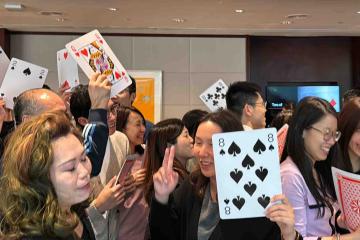
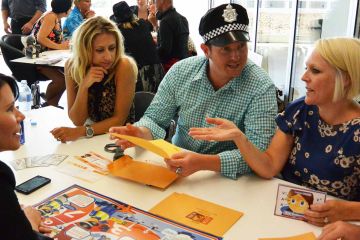
Catalyst several business games that highlight negotiation demanding its practise in an information relaxed environment. Participants learn about the value of information and how it changes over time. Issues around trust and breaking trust. Ways to collaborate to improve the final outcome.
Look at this selection of related popular programs. Need help in deciding? Looking for something else?